Identify the enemy in front of you
| Enemy | Recognition | Watch for |
|---|---|---|
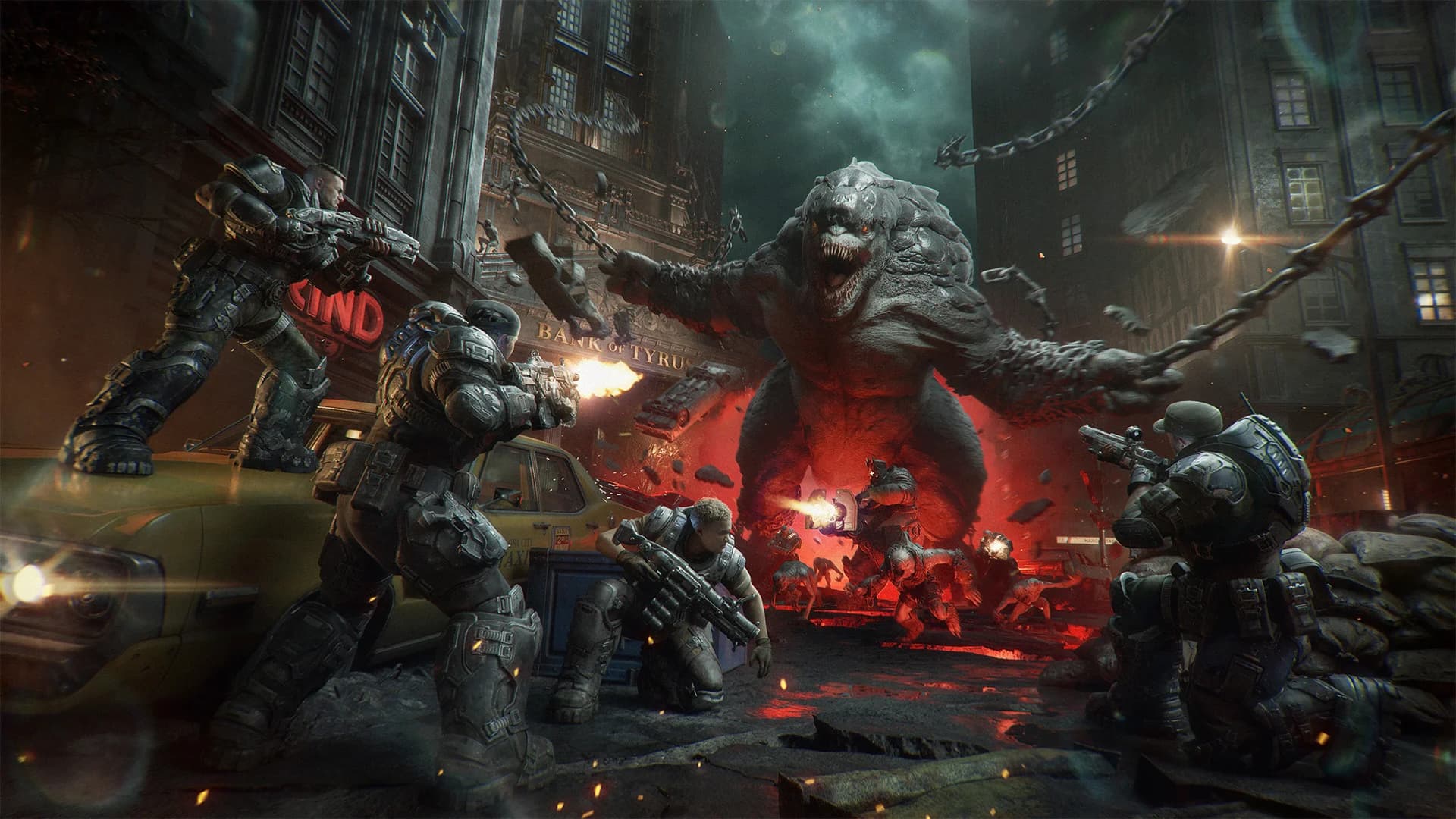
| Drone | Upright humanoid infantry. | Different guns, elite loadouts and coordinated tactics; unarmed Drones rush into melee. |
| Wretch | Small, low-moving creature. | Armored Wretches scream, disorienting you and limiting your actions. |
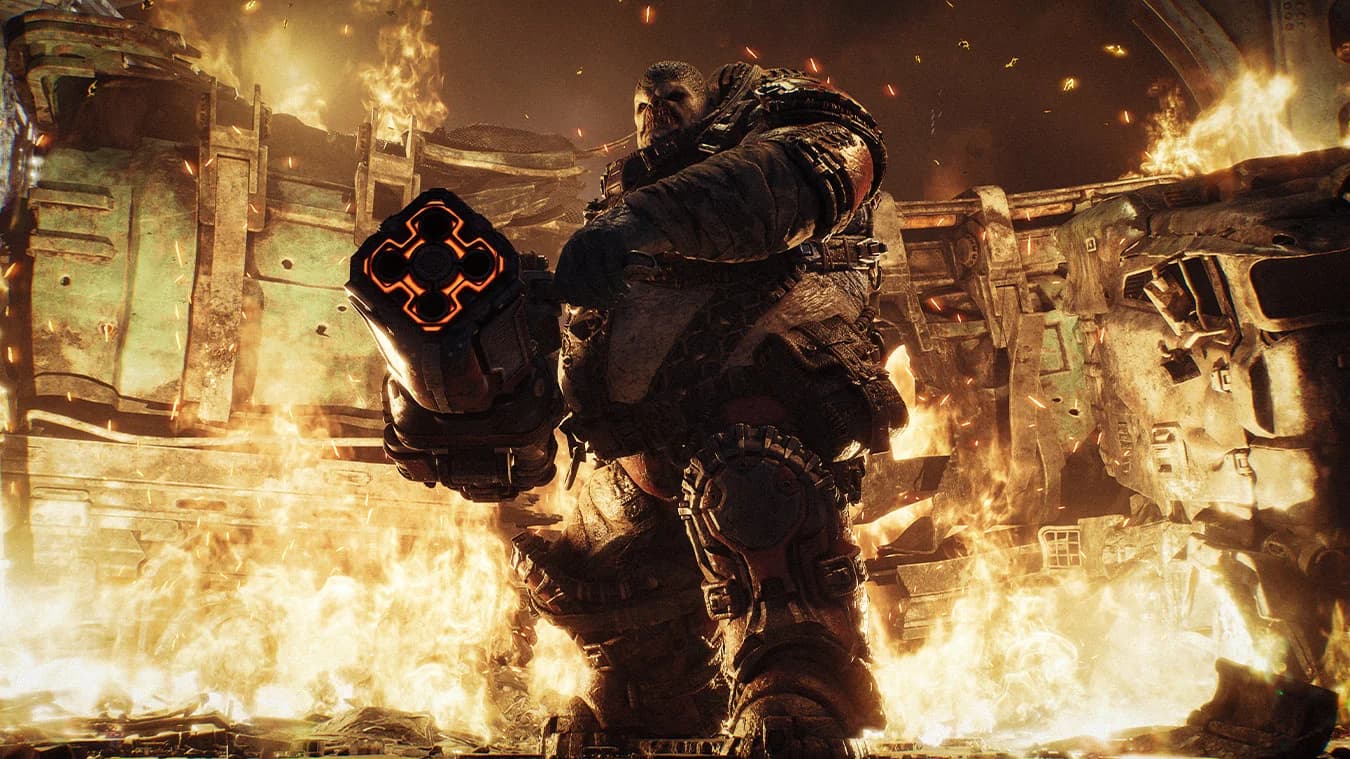
| Boomer | Bulky heavy gunner, much larger than a Drone. | Heavy firepower; a chainsaw execution becomes possible at low health. |
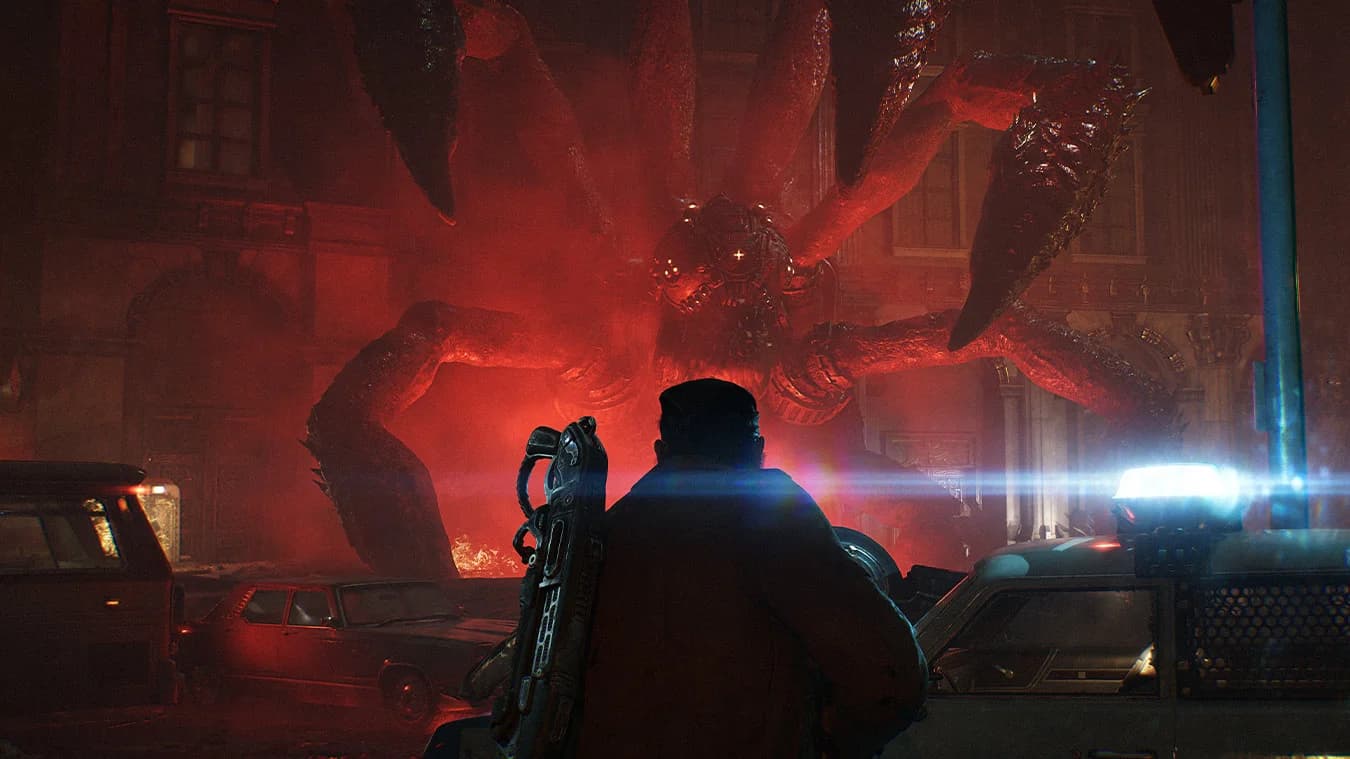
| Seeder | Large creature occupying a hole in the battlefield. | Anti-air Nemacyst launches and a close-range encounter that exposes its weak head. |
| Reaver | A large creature carrying Drone troops. | Troop drops, heavy weapons and attacks from high walls. |
Expose a Seeder’s weak point
- Get close to the Seeder’s position.
- Taunt it into emerging from its hole.
- Attack the fleshy head exposed when it flips over.[1]
E-Day turns the Seeder into a miniboss encounter as well as an anti-air Nemacyst launcher. Drawing it out creates the opening you need to damage its weak point.[1]
Reavers can change the firing angle
A Reaver can deliver a squad of Drones and leave, or stay to fight as a heavily armed threat. It can leap onto a high wall and cling there while firing down at the battlefield. Watch the creature’s movement as well as the infantry it deploys.[1]
Corpser and Brumak invasions
Horde Invasion Events announce the arrival of large Locust units, including Corpsers and Brumaks. These enemies bring supporting troops and a temporary map-wide modifier that can block extraction or disable Supply Caches. All participating squads receive a share of the rewards.[2]
These events are a reason to regroup with other squads. The Horde Siege guide explains revives, shared supplies and how to finish your own extraction after the threat is dealt with.[2]